The Influence of Genres
Another thing the gaming industry relies on is change. Games need to evolve and be different so as to not oversaturate the market with the same thing over and over. This also comes with the changes in genres. It evolves over time, creating brand new ones or subgenres. One extremely influential genre is commonly known as the indie dev's dream, Metroidvania. A combination of both Metroid and Castlevania, this genre of games focuses a lot on both exploration, combat, and backtracking.
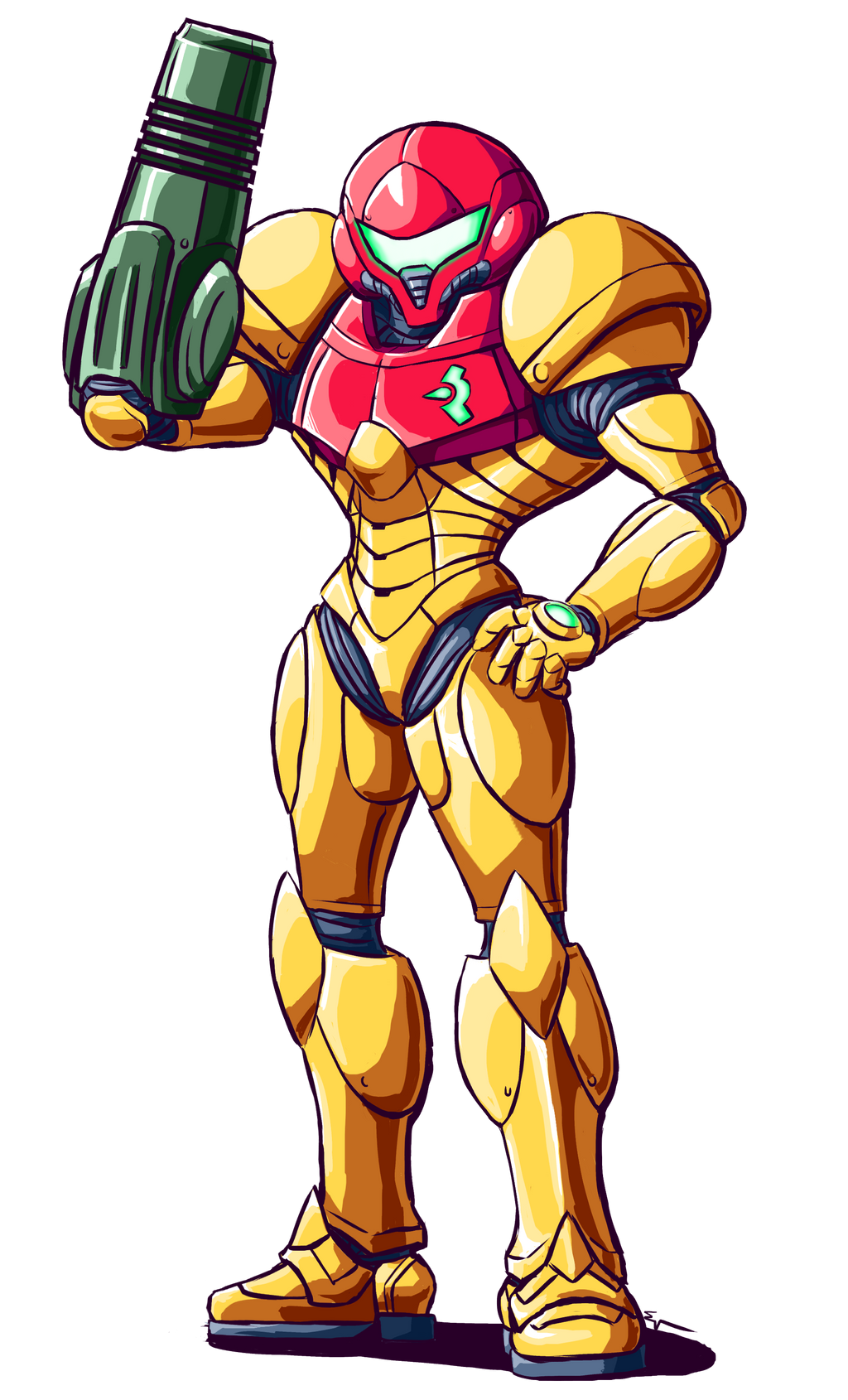
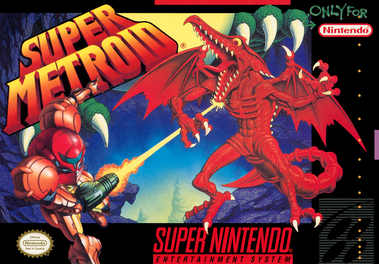
Metroid is a series developed by Nintendo. It is an exploration-based game that focuses on the protagonist Samus Aran and her journeys across space whether it's on Brinstar, the BSL research station, or the planet SR388. Her journeys consist of fighting against space pirates hell bent on ruling the galaxy, against metroids, one of the most feared creatures to ever surface the galaxy, or against the X-Parasite, a deadly parasite that can mimic the forms of creatures they kill.

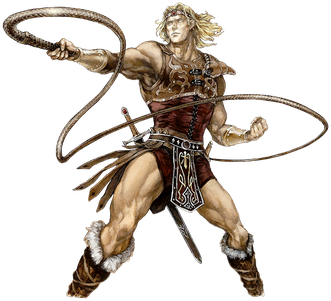
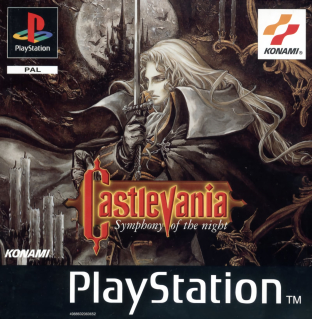
Castlevania is a series developed by Konami. Its story is the everlasting conflict of mankind vs evil, of the vampire hunting Belmont clan vs the all-powerful Dracula. During the years of the NES and SNES, Castlevania was a linear action platformer. You get a Belmont, you go one direction, and you fight monsters and bosses along the way. However, that all changed in 1993 with the release of Konami's most influential game, on both the Castlevania franchise, and the gaming industry as a whole, one of the forefathers of the entire Metroidvania genre, Castlevania Symphony of the Night.
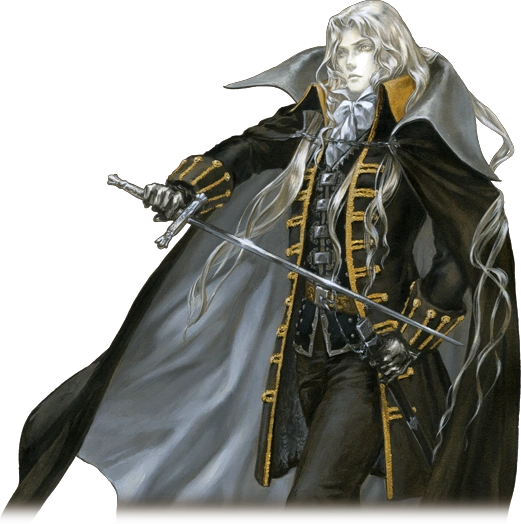
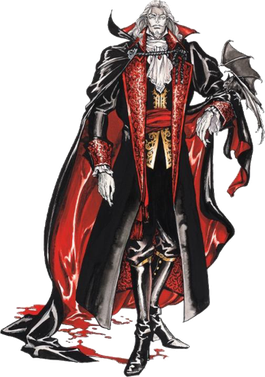
The genre “Metroidvania” derives both from Metroid and Castlevania, in which both games focus on exploration. The 2 games people tend to associate as the forefathers are Super Metroid and Castlevania Symphony of the Night. It was through this, that the entire Castlevania series changed its course and followed in the ways of SoTN, and that a lot of games followed suit with this genre. However, as the years went on, the Metroidvania series started slowly dying, with Metroid being forgotten in the late 2000s and Konami no longer producing Castlevania games, it seemed that the genre was going to be nothing but history.
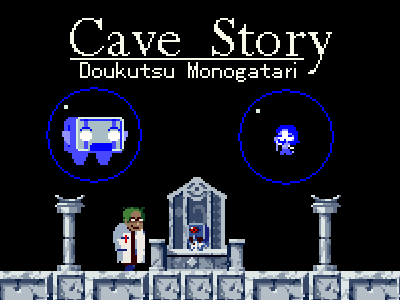
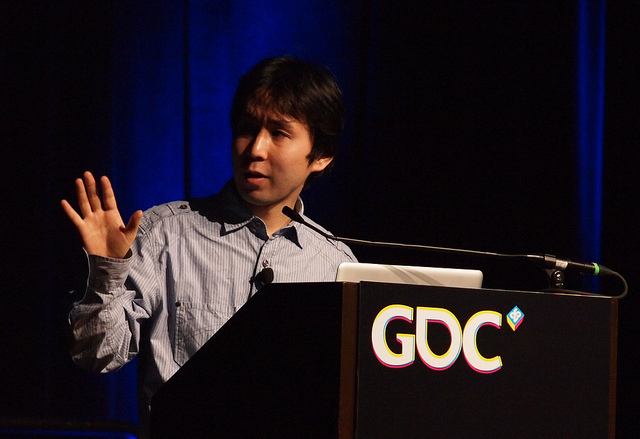
It wasn't until a certain game from 2004 helped shape the industry and the rebirth of the genre, but also set the tone and quality of Indie Games. Considered as the quintessential indie game, that game is Cave Story. With the very game being solely developed by a single person, this game shaped the industry, and the indie community as a whole. The game is a Metroidvania that focuses on the journey of the robot Quote, who has to save an entire race of bunny people on a floating island from an evil god. The gameplay can be summed up as the pure combination of both Metroid and Castlevania. The different guns Quote can use to blast his enemies, the difficulty of certain parts of the stage, all blend beautifully to make this one game. The entirety of Cave Story was made by a single person Daisuke "Pixel" Amaya, from the engine, to the story, to the art, to the music, to even the software that made the music, OrgMaker.
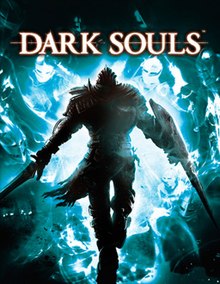
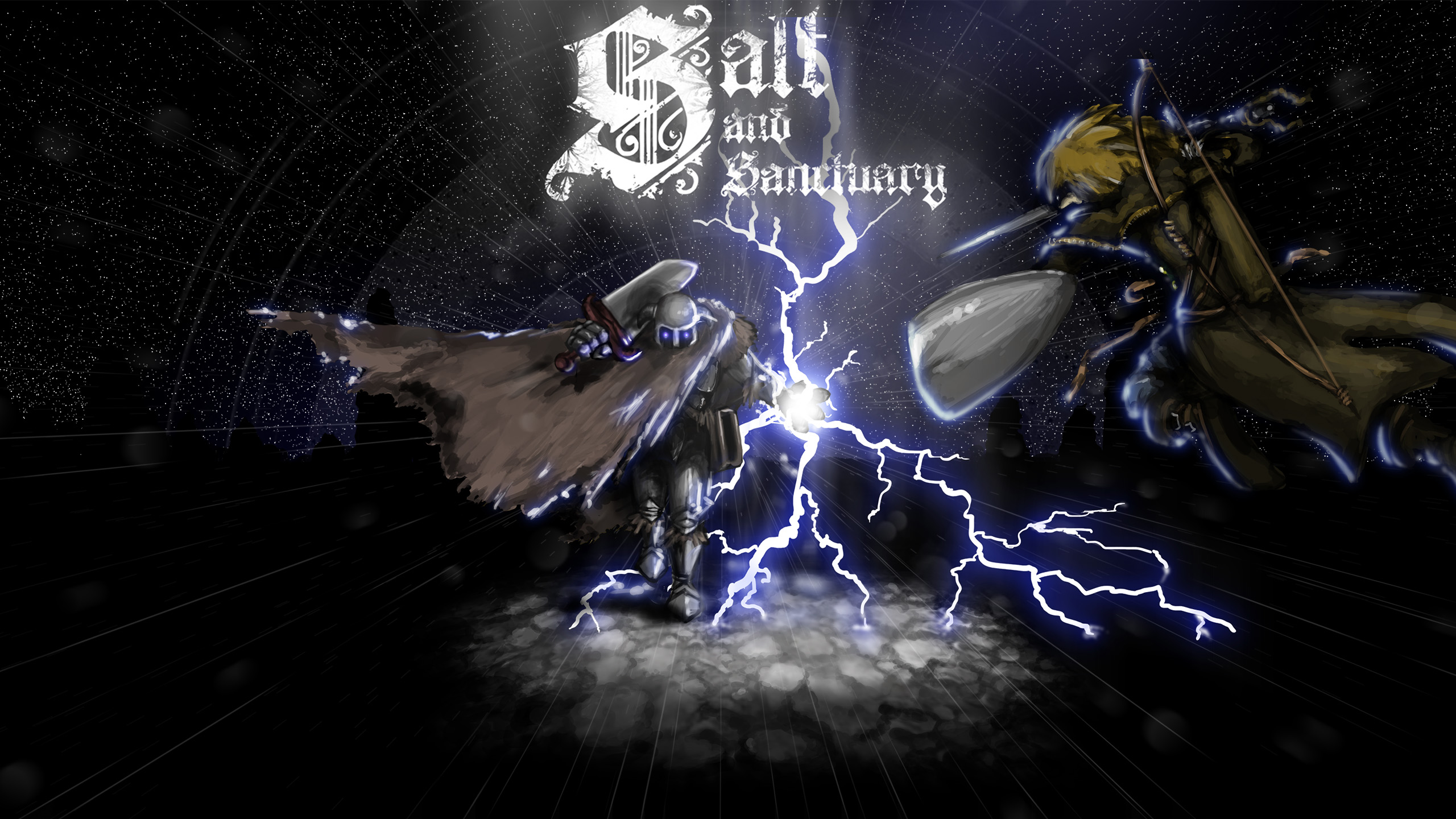
The indie community would take notice of the success of Cave Story, but it wasn't until around 2015 for the Metroidvania genre to finally resurface, however it wouldn't just resurface as Metroidvania. A certain other game genre would be mixed into the genre, soulsborne. Derived from the game Dark Souls, indie developers started mixing Metroidvania and Dark Souls together to make masterpieces of work such as Salt and Sanctuary, Death's Gambit, and the most popular, and most influential game ever on the Metroidvania community, Hollow Knight.
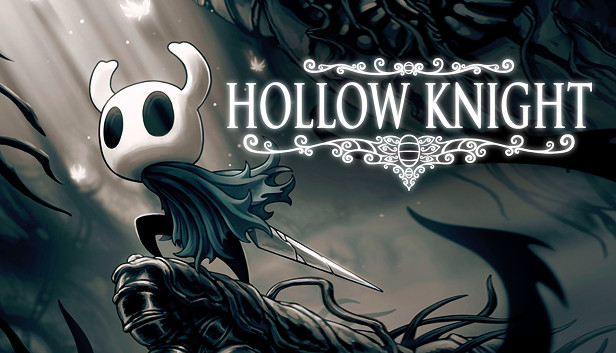
It was through this mix of an extra genre that the Metroidvania genre became split 3 ways. The first being Metroidvania, the genre that heavily focuses on exploration much like it's forefather Metroid. This genre doesn't rely too much on combat but rather map design, and exploration. There are games where there are no enemies at all, but the entire premise is a 2D exploration game with a lot of backtracking.
The second is known as Igavania. Derived from Castlevania, one of the forefathers of the genre, and Koji Igarashi, the gaming legend who developed Symphony of the Night and some future Castlevania titles. This style of Metroidvania focuses on a mixed balance of exploration and combat. It also utilizes light RPG elements, such as a level up system, different weapons to equip, different armor, potions to heal, magic etc. This style of Metroidvania would be more commonly found in his future works such as Castlevania Aria of Sorrow, Castlevania Dawn of Sorrow etc. It would also be found in his own project, Bloodstained Ritual of the Night.
The third and final genre is known as Soulsvania. This type of Metroidvania became heavily focused on the combat aspect rather than its exploration. It takes a more Soulsborne approach with its games, with different elements put in, and some taken out. Some games have an energy meter to determine how many actions you can do before needing to rest, such as running, jumping, or even attacking, while some don't and let you smack the enemy at will.
The gaming industry has changed through the years, whether it be from mods, to evolving genres, it relies solely on those it markets to, to thrive. Without its market audience, it loses the light it brings. From modders to new indie developers to bring forth new, wild, wacky, and amazing creations, it’s through them that the gaming community lives on. Not because a company releases a new game for everyone to spend their money on, but through community interaction. Games bring communities together, and these communities help each and everyone of us, with keeping our beloved franchises alive, and the games we still play, fresh and exciting with community content.